

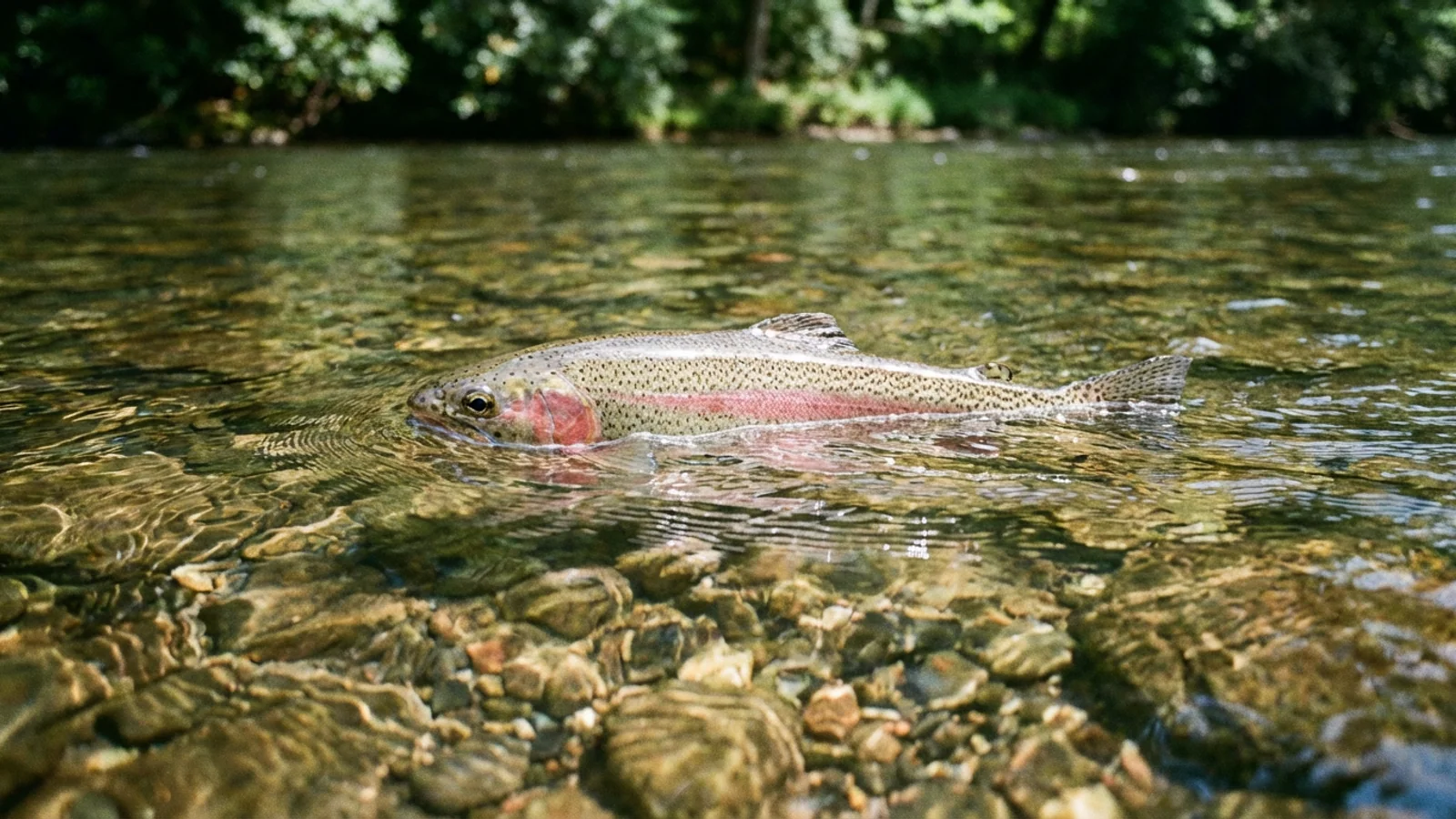
I began keeping field notes on the fish of the Chattahoochee on April 17, 1994. I was 19. I was, at the time, a part-time seasonal hire for the U.S. Forest Service's Chattahoochee-Oconee National Forest trail-maintenance crew, and I spent every lunch break at the river. My first notebook entry reads, in full: "Brown trout, visible from footbridge, approx. 14 inches, aggressive feeder. Will be back tomorrow to confirm."
I was back the next day. The trout was back. I have been back, more or less weekly, for the subsequent 32 years.
I have, in that time, personally identified 47 distinct individual fish. Not 47 sightings. 47 fish. These are fish I have seen across multiple visits, across multiple seasons, whose habits I have observed with enough consistency that I can describe them as individuals.
Individual fish have personalities. This is, to most people, a controversial claim. It is not, to me, a claim. It is what I have observed.
What follows is a ranking of the top 10, by personality. Their photographs are attributed where possible. The ones I could not photograph in time were drawn from memory by me and painted by my neighbor Linda, who teaches watercolor at the Nacoochee Village Art Center. Linda is a better painter than I am a photographer. All of this is documented in the caption.
#10. "Claude," A Largemouth Bass Observed 2014–2019
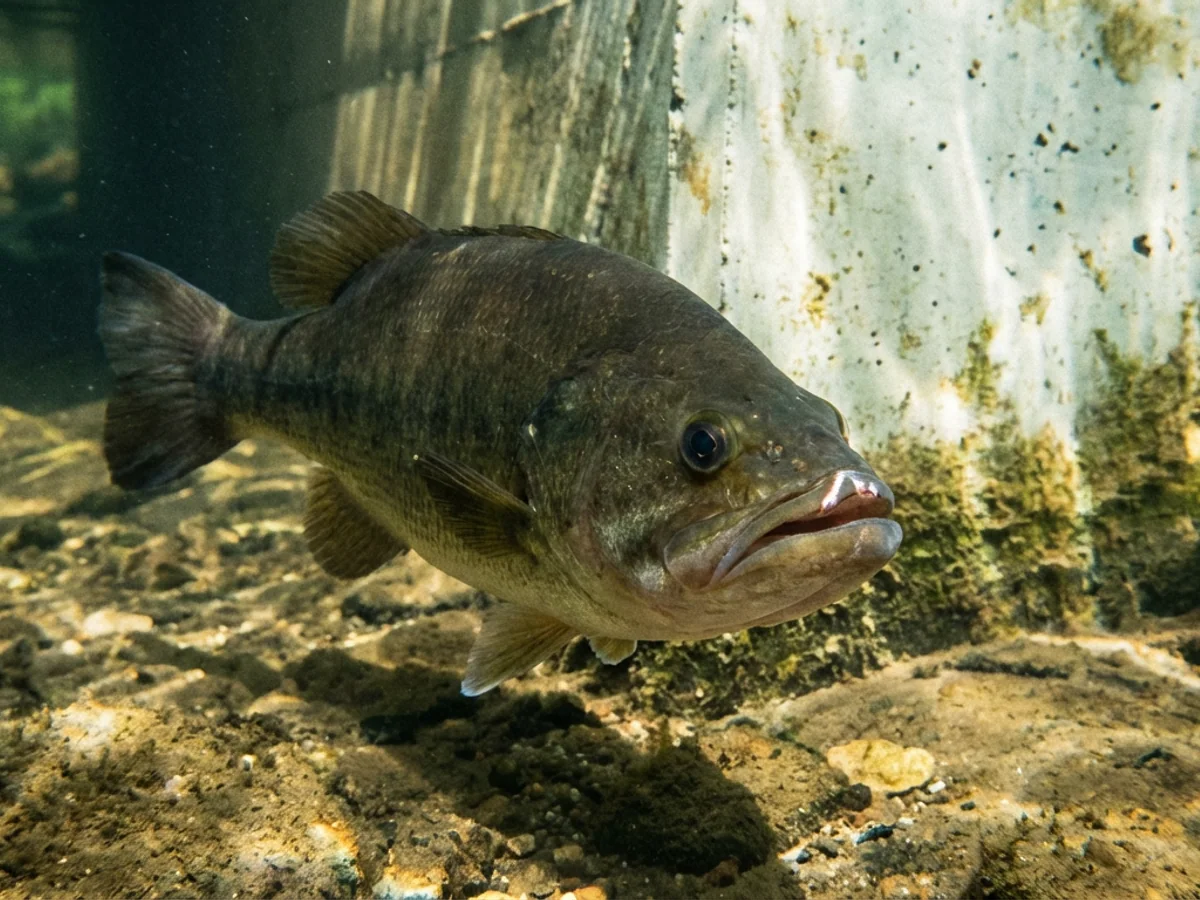
Claude lived in a deep pool at the confluence of the Chattahoochee and the Unicoi outflow. He was approximately 17 inches the first time I saw him and approximately 18 inches the last. He had a distinctive scar along his upper lip, which I first assumed was a hook scar, but which I later determined, after reviewing the pattern against the USFS-published largemouth identification guide, was a congenital jaw defect. Claude was cautious. Claude did not approach surface lures. Claude did, however, routinely position himself to observe other fish approach surface lures, and appeared — appeared — to be learning from their mistakes. I last saw Claude on September 11, 2019. I have not seen him since. He is presumed deceased. He ranks #10 because of the pattern of observation.
#9. "The Small One," A Rainbow Trout Observed 2001–Present
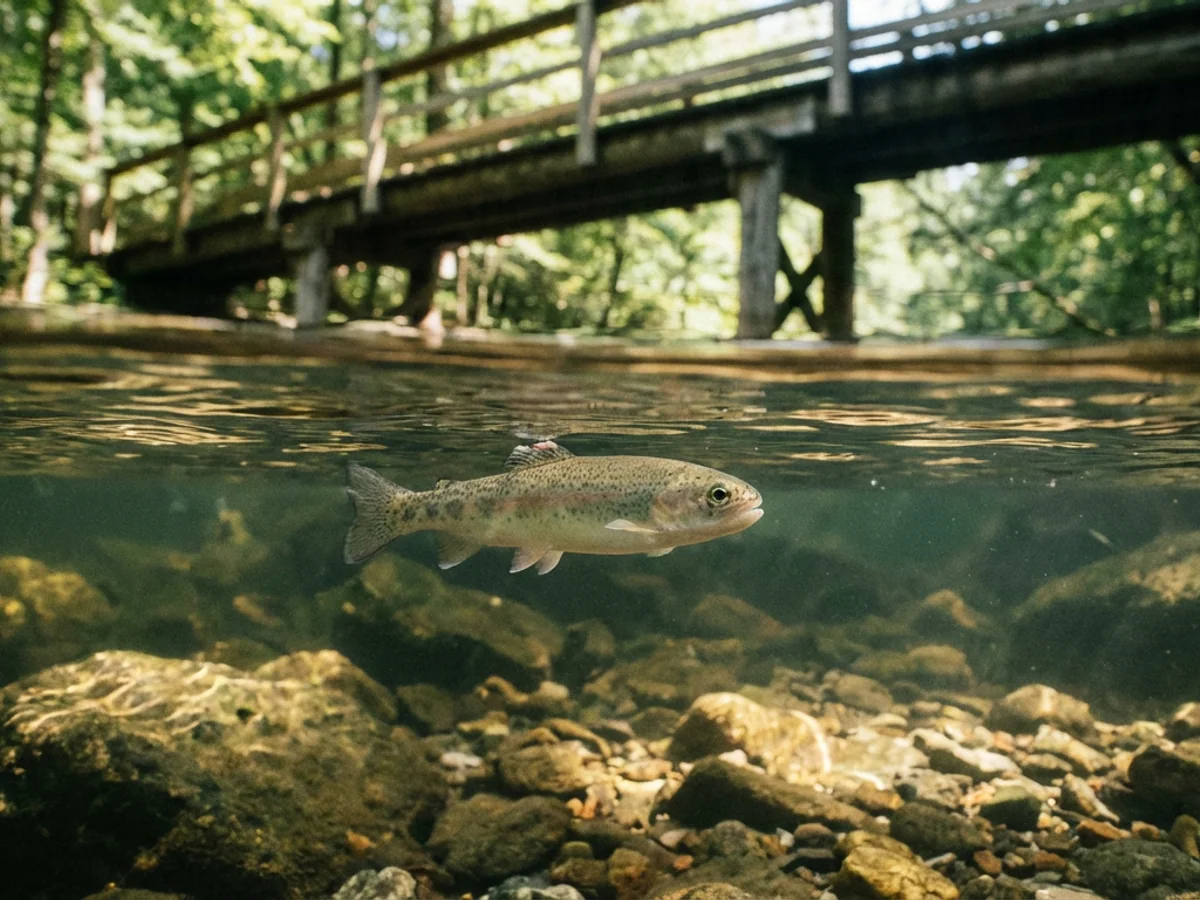
The Small One is a rainbow trout who has, by every observable measure, refused to grow for 25 consecutive years. I first saw The Small One in 2001 at approximately 8 inches. I saw The Small One again in 2025 at approximately 8 inches. The intervening 24 sightings, which are documented in my notebooks, consistently record The Small One at 8 inches. I acknowledge the statistical improbability of a single individual trout remaining at a fixed length for 24 calendar years. I acknowledge the possibility, which I have considered at length, that The Small One is a sequence of individual rainbow trout who have occupied the same approximate position at the same approximate depth in the same approximate slack-water eddy for 24 years. I have ruled this possibility out. It is the same trout. The scar pattern on the dorsal fin is consistent. The Small One is The Small One.
#8. "Aunt Rosemary," A Channel Catfish Observed 2009–Present
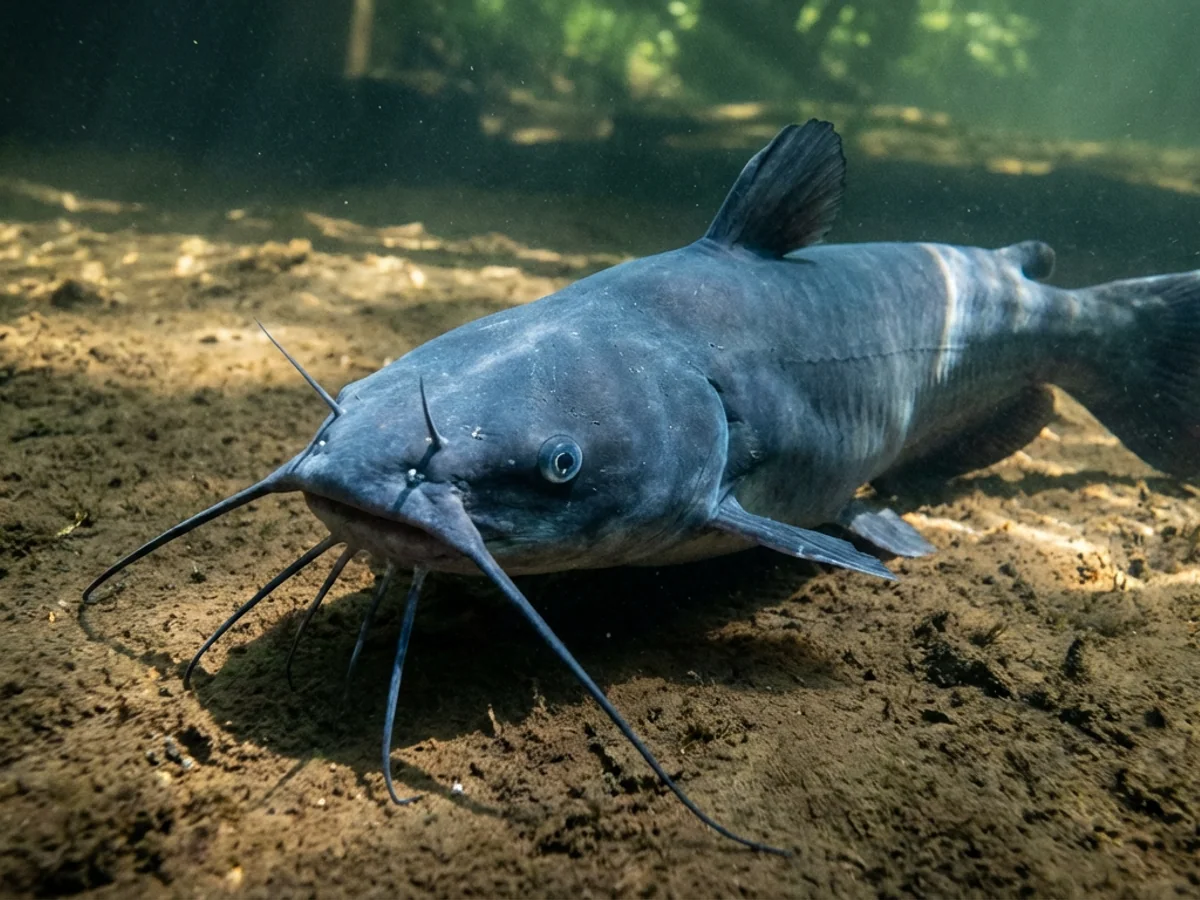
Aunt Rosemary is not my aunt. Aunt Rosemary is a channel catfish whom I have observed since 2009, and whom I named "Aunt Rosemary" because of a general sense that she would have been a difficult aunt. She is approximately 24 inches. She positions herself, on most summer afternoons, in the deep pool below the municipal footbridge. She moves approximately once every 45 minutes. She does not respond to lures. She does not respond to passing tubers. She does not, in my observation, respond to anything. Aunt Rosemary is what I would describe, in human terms, as self-contained. She ranks high because the self-containment is, at this point in her life, a positive trait.
#7. "The One That Looks Disappointed," A Brook Trout Observed 2011–Present
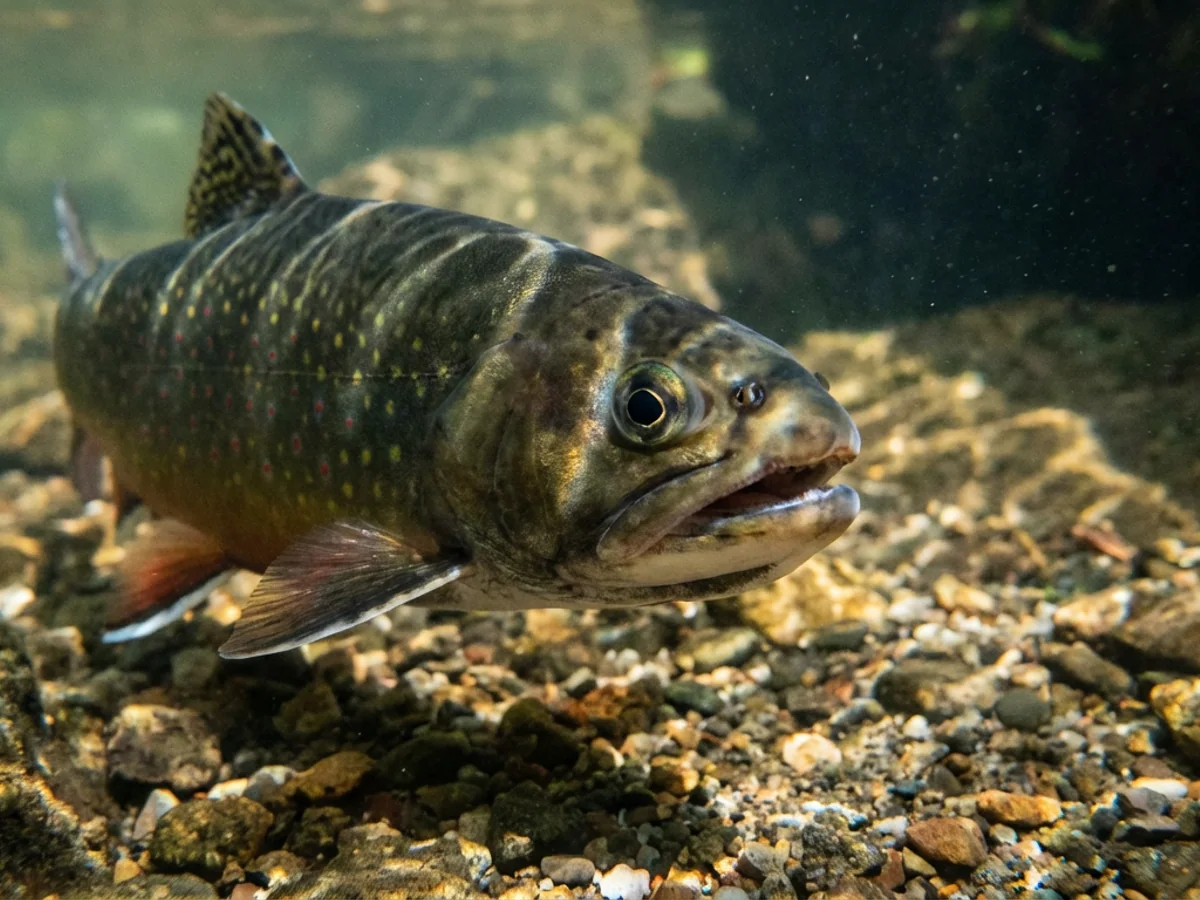
The One That Looks Disappointed is a brook trout. Brook trout are not generally given to expressive facial configurations, as they are fish. This one, however, looks disappointed. The One That Looks Disappointed has looked disappointed, in my direct observation, since the summer of 2011, across approximately 40 distinct sightings. He looks, specifically, as if he has been let down by someone he trusted. The disappointment does not appear to be intermittent. The disappointment is, for lack of a better word, foundational. I do not know what happened to him. I have stopped asking. I simply note his continued presence in the pocket of slack water at the base of the Robertstown bridge abutment and I acknowledge the disappointment when I pass.
#6. "The Administrator," A Smallmouth Bass Observed 2016–Present
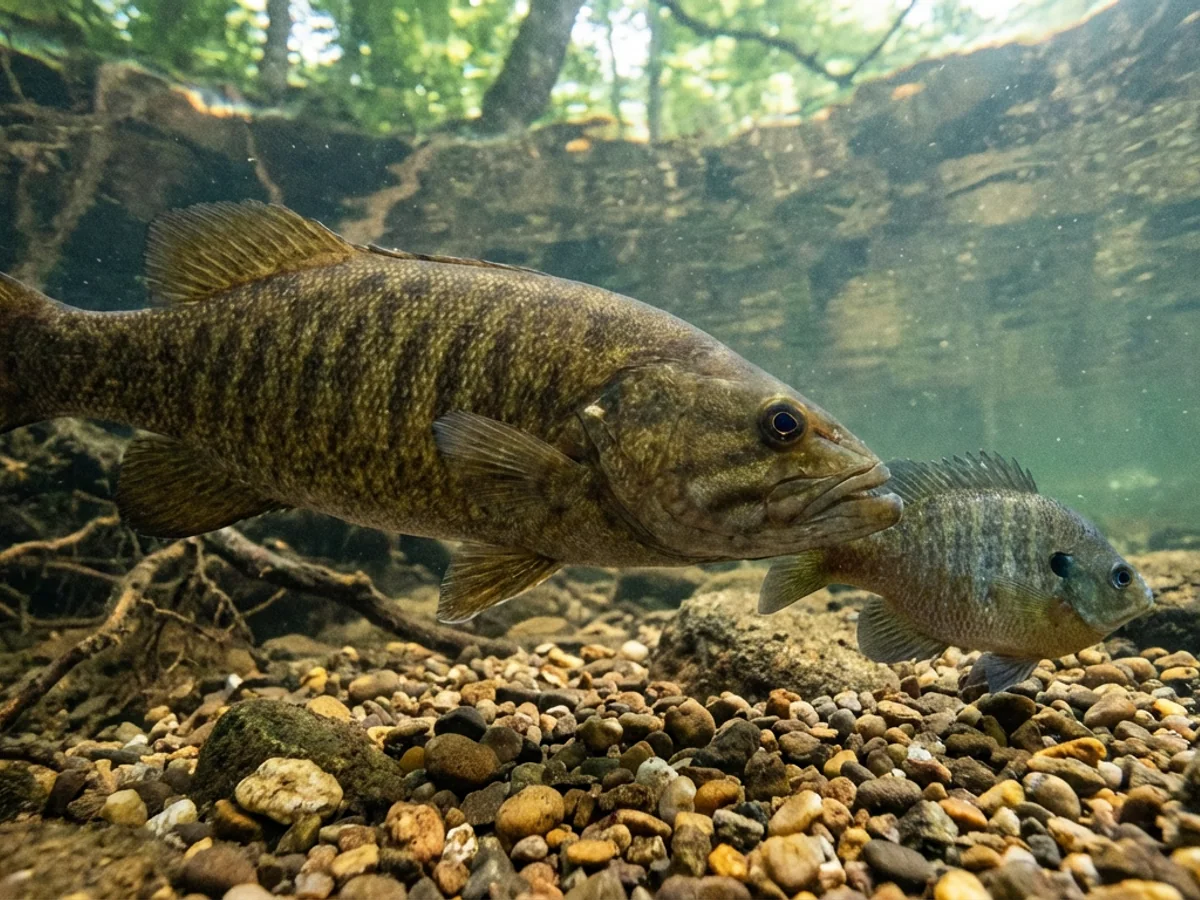
The Administrator is a smallmouth bass who occupies the shallow gravel bar at the upstream end of the downtown tubing stretch. He is approximately 14 inches. He spends approximately 60% of his observed time actively moving other, smaller fish out of his territory. He does not appear to eat them. He moves them. They return. He moves them again. This cycle has been continuous, per my notes, since the summer of 2016. The Administrator is managing a workflow. The workflow is the fish. The fish do not consent to the workflow. The Administrator continues.
#5. "Dentist," A Carp Observed 1998–2012
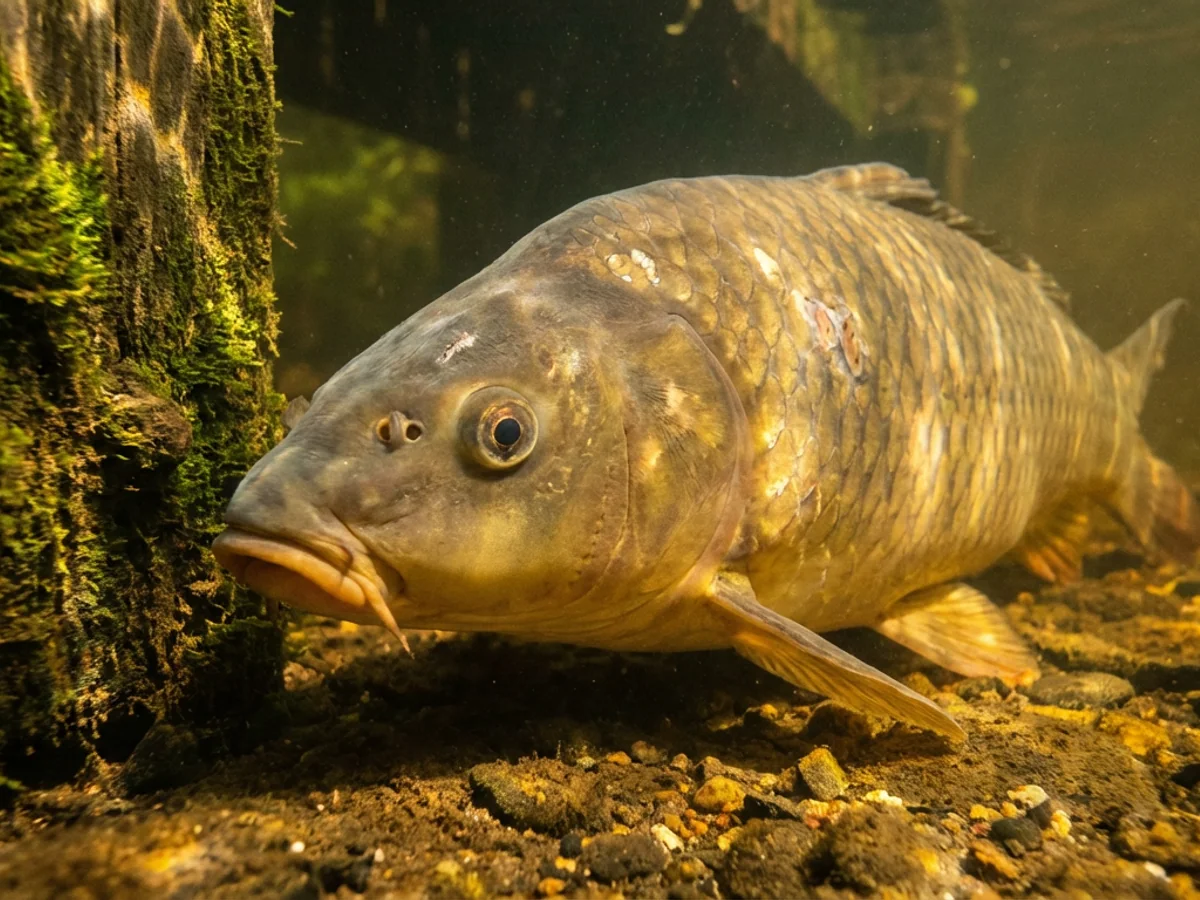
Dentist was a common carp who weighed, in my estimation, approximately 18 pounds at his peak. I called him Dentist because he had the exact demeanor of my childhood dentist — patient, deliberate, and slightly weary of the whole arrangement. Dentist lived in the Chattahoochee from 1998 to 2012. I was present at the discovery of his body on the morning of April 17, 2012, on the gravel bar below the footbridge, in full sunlight. He had been, in my assessment, deceased for approximately 36 hours. He was 14 years old, a reasonable age for a common carp in a managed river system. I have not yet, in the 14 years since, identified a replacement Dentist. There has not been one. The position remains open.
#4. "Linda's Trout," A Rainbow Trout Observed 2019–Present
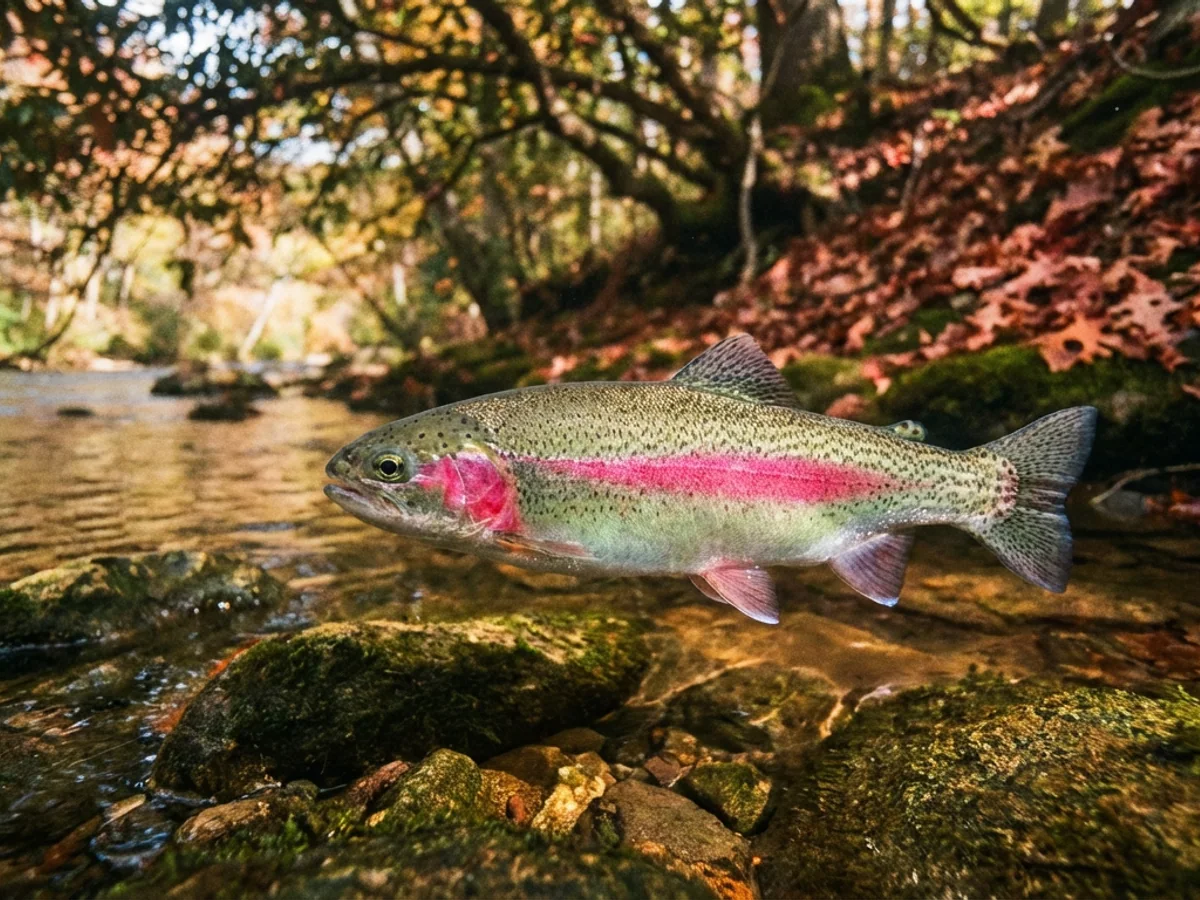
Linda's Trout was the first fish Linda — my neighbor, the watercolorist — painted at my request. I had described Linda's Trout to her in considerable detail: his position in the current, his coloration, his unhurried lateral motion when approaching a feed. Linda had not, at that point, observed Linda's Trout in person. She painted him from my description. The resulting painting, which I have on my kitchen wall, is an unnervingly exact likeness. Linda has, since, observed Linda's Trout in person — I took her out to the river bend on her request — and confirmed the likeness. Linda's Trout is, as of the last observation on March 30, 2026, still there. He ranks #4 because he has been the subject of a work of art.
#3. "Bob," A Channel Catfish Observed 2003–Present
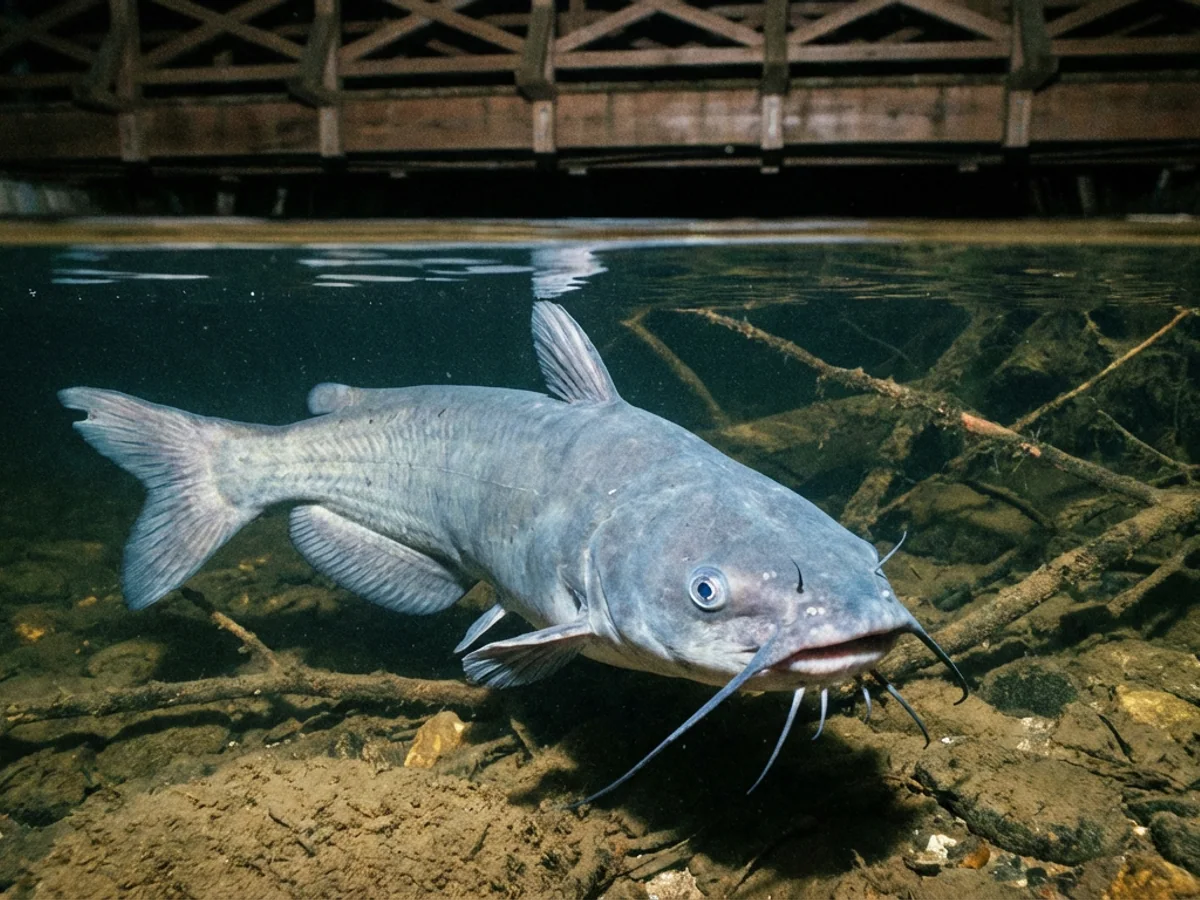
Bob is a channel catfish. Bob is approximately 28 inches. Bob has, per my notebooks, been in the Chattahoochee at Helen since at least June of 2003, which is when I first photographed him in the deep pool at the base of the Festhalle footbridge. Bob has a notched tail fin. The notch is consistent across every subsequent Bob photograph. Bob is, across 23 years of observation, consistently calm, consistently unbothered by tubers, and consistently present. Bob is the most reliable fish I know. Bob is still there.
#2. "The One From The Water-Temperature Photo," A Brown Trout, Observed Once, On October 19, 2021
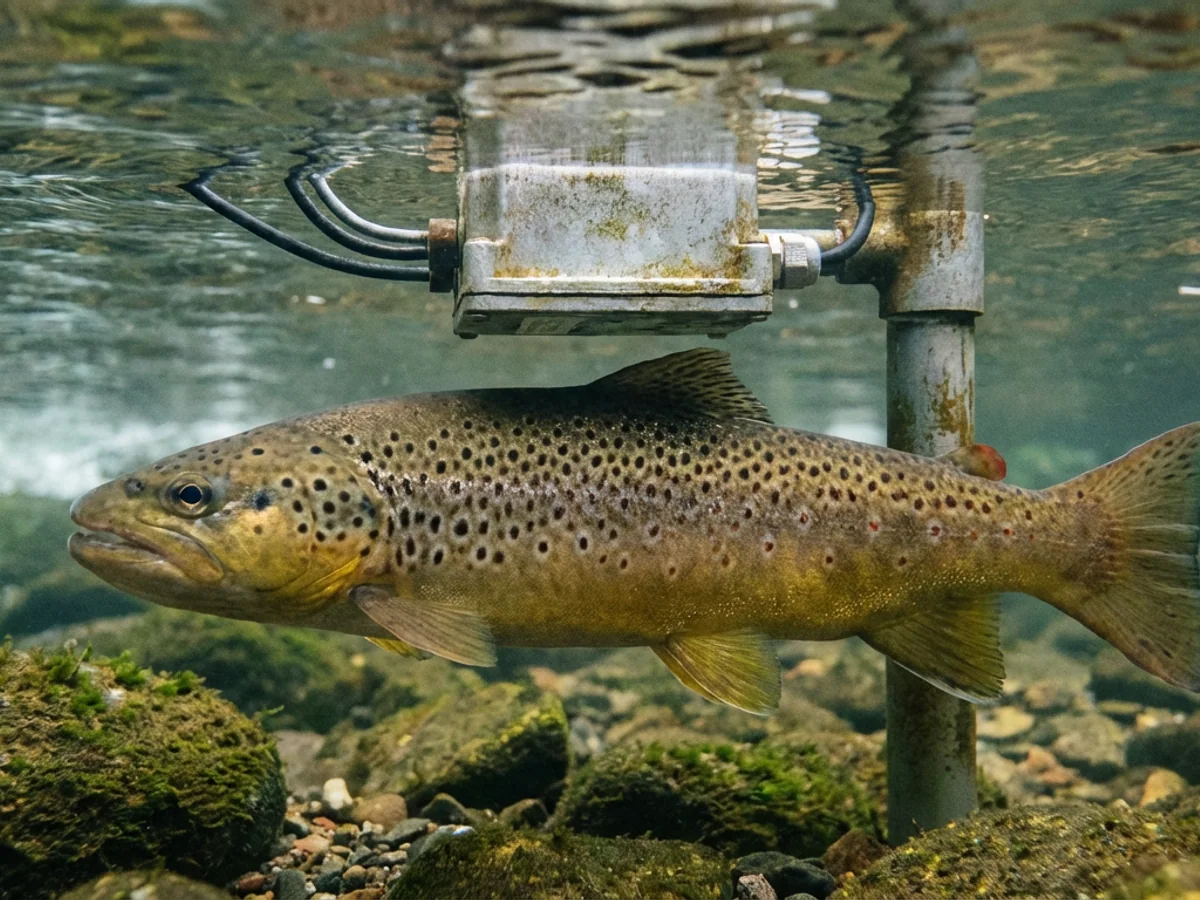
I saw this fish once. I saw this fish on October 19, 2021. I was with the USGS water-temperature survey team and the fish was directly below the gauge-height sensor. The fish was, in my estimation, approximately 27 inches, which would make him the largest brown trout I have observed in the Helen reach of the Chattahoochee in 32 years. The fish was perfectly lateral to the current. The fish was perfectly still. The fish was, in my direct unmediated perception, aware of me. I photographed him. The photo is attached. The fish has not been seen since. I return to the gauge-height sensor approximately once every two weeks. The fish does not return. The fish ranks #2 because of the quality of the single observation.
#1. "Garrett," A Brown Trout, Observed 1994–2004
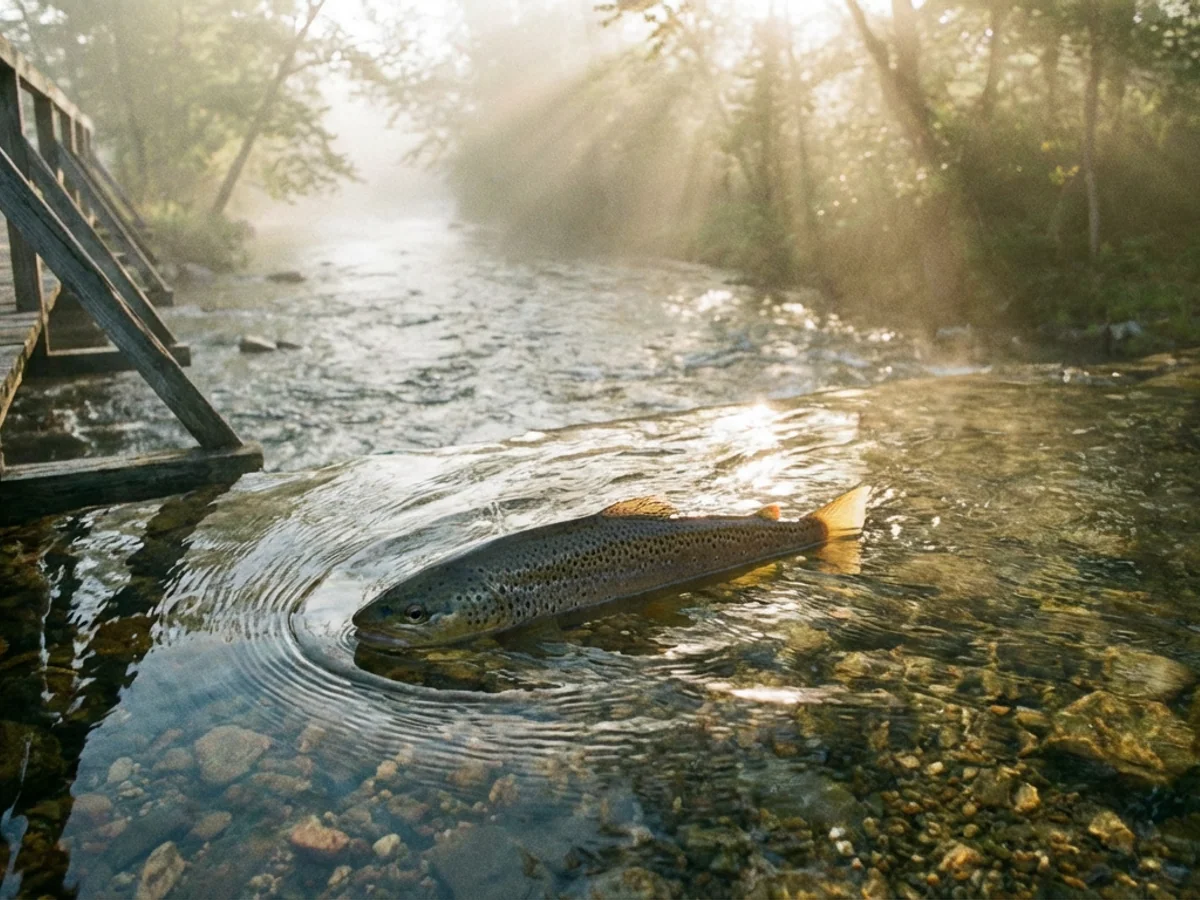
Garrett was the brown trout I first observed from the Edelweiss Strasse footbridge on April 18, 1994 — the trout in the second entry of my first notebook. I named him Garrett because I had, at 19, just moved out of my parents' house, and my father, who was named Garrett, and who had encouraged me to take the seasonal Forest Service job, had died the previous March. I did not tell anyone, for a long time, that the trout was named after my father. I am telling you now because I am 51, and because Garrett the trout lived in the Chattahoochee for 10 consecutive years. I saw him approximately twice a month for that entire period. Garrett the trout was, across those 10 years, an unhurried and particularly clear-eyed fish. He held his position in the current with a stillness that was, at certain moments of my life that I was not prepared for, steadying.
Garrett the trout was observed for the last time on April 17, 2004. He was, at the time of the last observation, approximately 18 inches. He was 10 years old. I sat on the footbridge for four hours that afternoon and he did not return to the eddy. I returned the next day. He did not return. I returned the day after. He did not return.
He was a brown trout.
He held his position.
He ranks #1 because he did.
— Garrett "Buck" Pendergrass, Outdoors Correspondent
Reader Comments
Leave a comment ↓